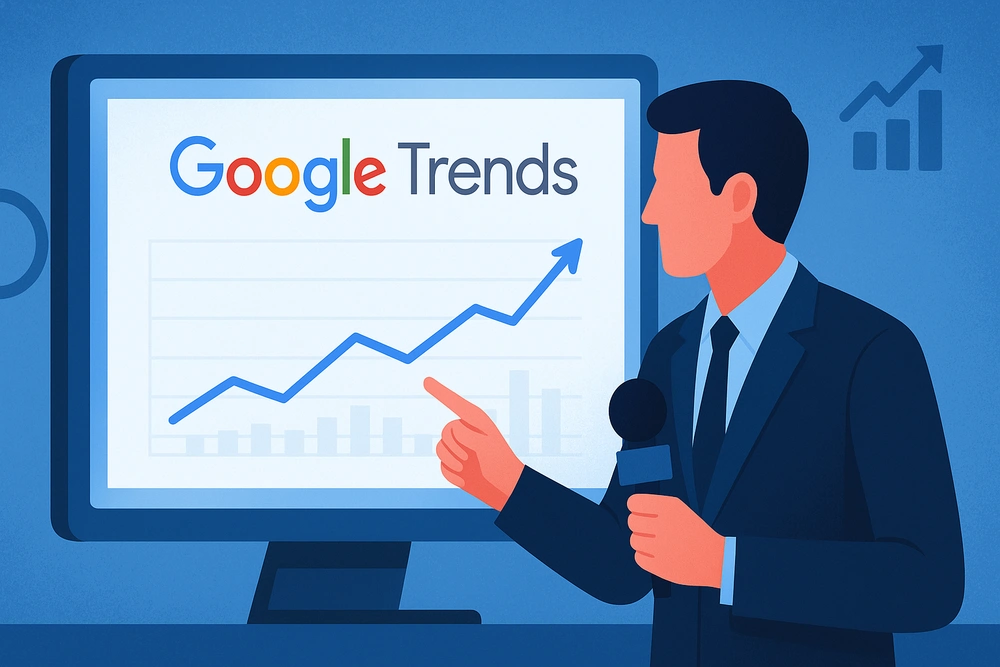
In the fast-paced world of online news, speed and accuracy are everything. Google Trends has become an essential tool for journalists looking to track public interest, cover breaking stories, and discover emerging news before competitors.
Cover Breaking Stories in Real-Time
Journalists can use Google Trends to:
- Spot sudden spikes in search interest for events like political developments, natural disasters, or viral moments.
- Identify geographic hotspots to target localized reporting.
- Explore related queries for additional story angles and context.
For instance, a sudden surge in “wildfire evacuation California” searches signals an urgent news story that requires immediate coverage.
Best Techniques for News Reporting
Maximize Google Trends with these strategies:
- Compare Keywords: Identify which story angles capture the most attention.
- Use Category Filters: Focus on Politics, Technology, Entertainment, and other sectors.
- Customize Timeframes: Track short-term spikes or long-term trends for in-depth reporting.
- Export Data: Analyze trends offline for richer insights.

Also read: How SEO Experts Can Harness Google Trends to Boost Website Rankings in 2026
Track Public Interest and Trending Topics
Google Trends helps journalists monitor what audiences care about:
- Daily Trending Searches: Stay up-to-date on what’s capturing national attention.
- Related Topics and Queries: Discover hidden angles or emerging subtopics.
- Regional Insights: Tailor stories for specific states or cities based on search behavior.
Spot Emerging Stories Before Competitors
Gain an edge with early insights:
- Breakout Queries: Identify terms with rapid growth to cover stories early.
- Rising Patterns: Detect gradual trends signaling major upcoming events.
- Cross-Reference Social Media: Validate trends with Twitter, TikTok, or other platforms.
Advanced Tips for 2026
Take your reporting further with data-driven strategies:
- Custom Dashboards: Monitor keywords in real-time with Google Trends API.
- Predictive Analysis: Forecast recurring events using historical trends.
- Sentiment Analysis Integration: Gauge public opinion on trending topics.
- Multi-Language Tracking: Capture trends across diverse U.S. communities.
Also read: A Journalist’s Guide to Using Google Trends Effectively
For journalists and newsrooms in 2026, Google Trends is more than a research tool—it’s a competitive advantage. From breaking news coverage to predictive reporting, mastering Trends allows reporters to deliver timely, relevant, and audience-focused stories that lead the conversation.
Absolutely! Here’s a detailed breakdown of how journalists can use Google Trends for each category in 2026, with practical examples and strategies for online news reporting:
Google Trends for Journalists: Category-by-Category Insights
Google Trends organizes search data into categories, allowing journalists to focus on specific beats. Understanding how to leverage each category helps reporters uncover stories, track public interest, and create targeted coverage.
1. Business & Finance
Use Cases:
- Track interest in stocks, companies, and economic events.
- Spot early signs of financial crises, mergers, or corporate scandals.
- Identify trending investment topics like cryptocurrencies or market predictions.
Example:
A sudden surge in searches for “Tech layoffs 2026” could prompt investigative coverage or analysis pieces for business news readers.
Tips:
- Compare competing companies’ search interest.
- Monitor rising queries in real-time for fast-breaking business stories.
2. Entertainment & Pop Culture
Use Cases:
- Cover trending movies, music, TV shows, and celebrity news.
- Analyze fan interest and engagement with upcoming releases or events.
- Track viral content and social media-driven phenomena.
Example:
Spikes in “Oscars 2026 winners” searches can guide journalists to publish timely coverage of award announcements or fashion highlights.
Tips:
- Explore “related queries” for interviews, behind-the-scenes stories, or opinion pieces.
- Filter by region to see local fandom or cultural variations.
3. Health & Fitness
Use Cases:
- Monitor public interest in health topics, medical breakthroughs, or seasonal illnesses.
- Track searches related to pandemics, vaccines, or mental health trends.
- Identify emerging public concerns for timely reporting.
Example:
A sudden rise in “flu symptoms 2026” searches could lead to public health coverage and guidance articles.
Tips:
- Use historical trend data to anticipate recurring health issues.
- Combine trends with expert interviews for authoritative reporting.
4. Science & Technology
Use Cases:
- Report on tech innovations, AI developments, or scientific discoveries.
- Cover rising interest in gadgets, apps, or major research findings.
- Predict tech adoption trends and emerging scientific debates.
Example:
Spikes in “AI tools for journalism” searches can prompt coverage of the latest AI applications in media.
Tips:
- Compare trending topics across multiple tech niches.
- Monitor regional adoption patterns for deeper insights.
5. Sports
Use Cases:
- Follow live sports events, tournaments, and athlete news.
- Detect sudden interest spikes due to major wins, transfers, or controversies.
- Identify trending stories for fan-focused content.
Example:
Search interest in “Super Bowl 2026 halftime show” can guide journalists to publish coverage, player interviews, and fan reactions in real-time.
Tips:
- Track searches by city or state for local team-focused reporting.
- Use breakout queries for athlete scandals, injuries, or trades.
6. Politics & Government
Use Cases:
- Track public interest in elections, legislation, or political scandals.
- Spot emerging political stories before they dominate headlines.
- Analyze regional differences in political concerns.
Example:
A spike in “2026 midterm election polling” searches could lead to articles analyzing voter sentiment or campaign strategies.
Tips:
- Compare candidates’ search trends to gauge popularity.
- Monitor related queries for hot topics like policy debates or controversies.
7. Travel & Tourism
Use Cases:
- Cover trending destinations, travel advisories, or airline news.
- Spot seasonal spikes in searches for popular destinations.
- Track rising interest in eco-tourism, cruises, or adventure travel.
Example:
“Best US National Parks 2026” trending searches could guide journalists to create travel guides, tips, or photo essays.
Tips:
- Combine Trends data with social media for visual storytelling.
- Filter by region to understand domestic vs. international travel interest.
8. Food & Drink
Use Cases:
- Identify trending diets, recipes, restaurants, or culinary events.
- Spot viral food trends and new product launches.
- Track seasonal spikes for holiday foods or beverages.
Example:
Rising searches for “plant-based burgers 2026” can inspire articles on new vegan restaurants or food reviews.
Tips:
- Explore related queries for recipe ideas or foodie events.
- Track regional preferences for localized content.
9. Arts & Culture
Use Cases:
- Follow interest in museums, exhibitions, literature, and cultural festivals.
- Cover trending cultural topics, book releases, or art auctions.
- Identify shifts in cultural engagement over time.
Example:
A surge in “Met Gala 2026 fashion” searches can guide journalists to cover red carpet highlights and designer stories.
Tips:
- Use category filters to refine searches by subtopic.
- Combine trends data with expert commentary for deeper coverage.
Conclusion:
By analyzing Google Trends category by category, journalists can craft timely, data-driven, and audience-relevant stories. Each category offers unique opportunities to uncover breaking news, predict trends, and engage readers with content backed by real search behavior insights.
FAQ: Google Trends for Journalists and News Reporting
Google Trends is a free tool that shows how often people search for specific terms on Google over time. Journalists can use it to track public interest, discover trending topics, and identify emerging stories before they hit mainstream news.
Monitor real-time spikes in search queries related to events, filter by region to focus coverage, and explore related topics to find unique angles. This allows reporters to respond quickly with accurate, relevant stories.
While it doesn’t guarantee virality, Google Trends highlights breakout and rising queries—search terms with rapid growth—that often indicate emerging news stories gaining public attention.
Use Google Trends’ location filters to focus on the United States or individual states. Daily trending searches and category filters (e.g., Politics, Entertainment) provide localized insights for national and regional reporting.
Advanced strategies include creating custom dashboards with the Trends API, integrating historical data for predictive reporting, combining trends with sentiment analysis, and monitoring searches in multiple languages for diverse audiences.
By covering topics people are actively searching for, journalists can produce stories that resonate with audiences, increasing clicks, shares, and overall reader interest.
No. Google Trends complements traditional research methods, helping journalists identify what audiences care about and providing data-driven context, but it should be combined with verification from trusted sources.
Also read: How SearchSpike Identifies Underreported Stories in the U.S.